


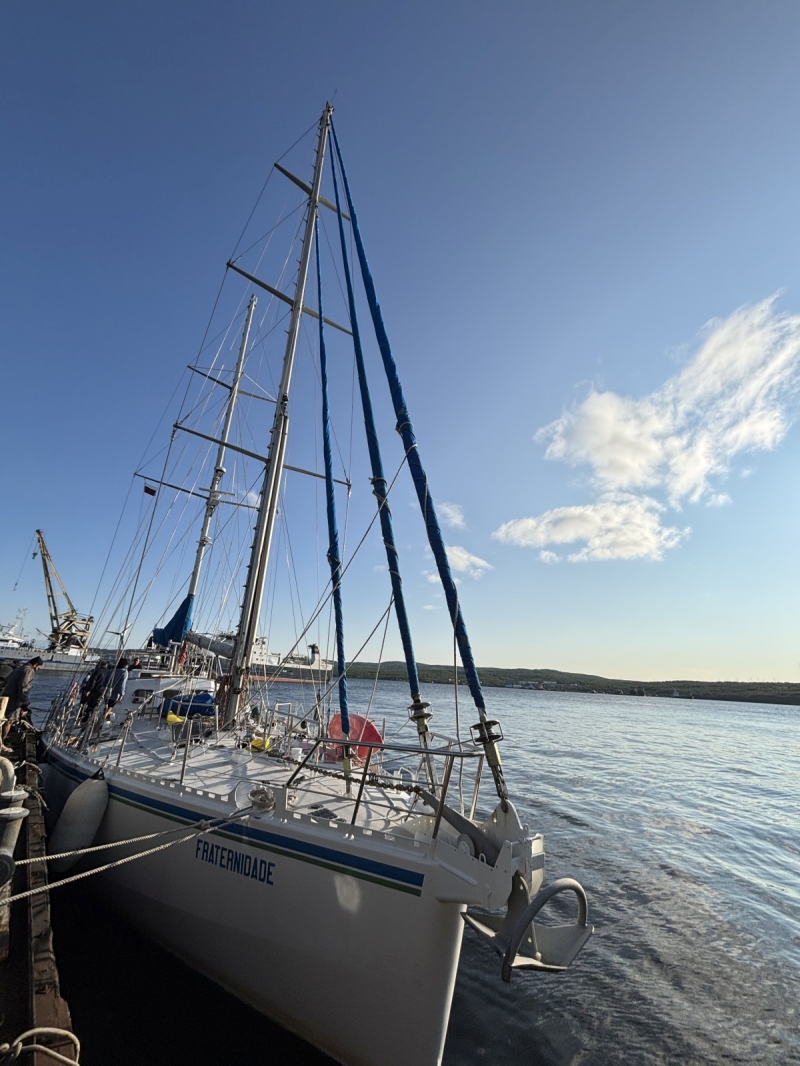
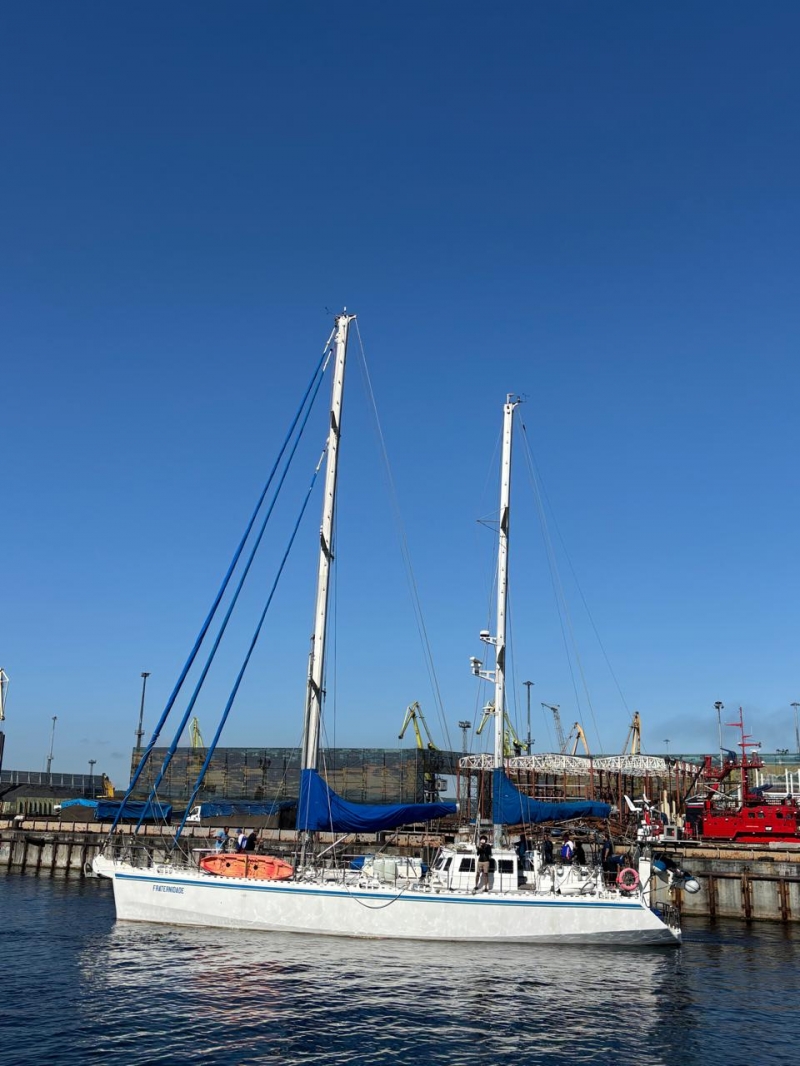
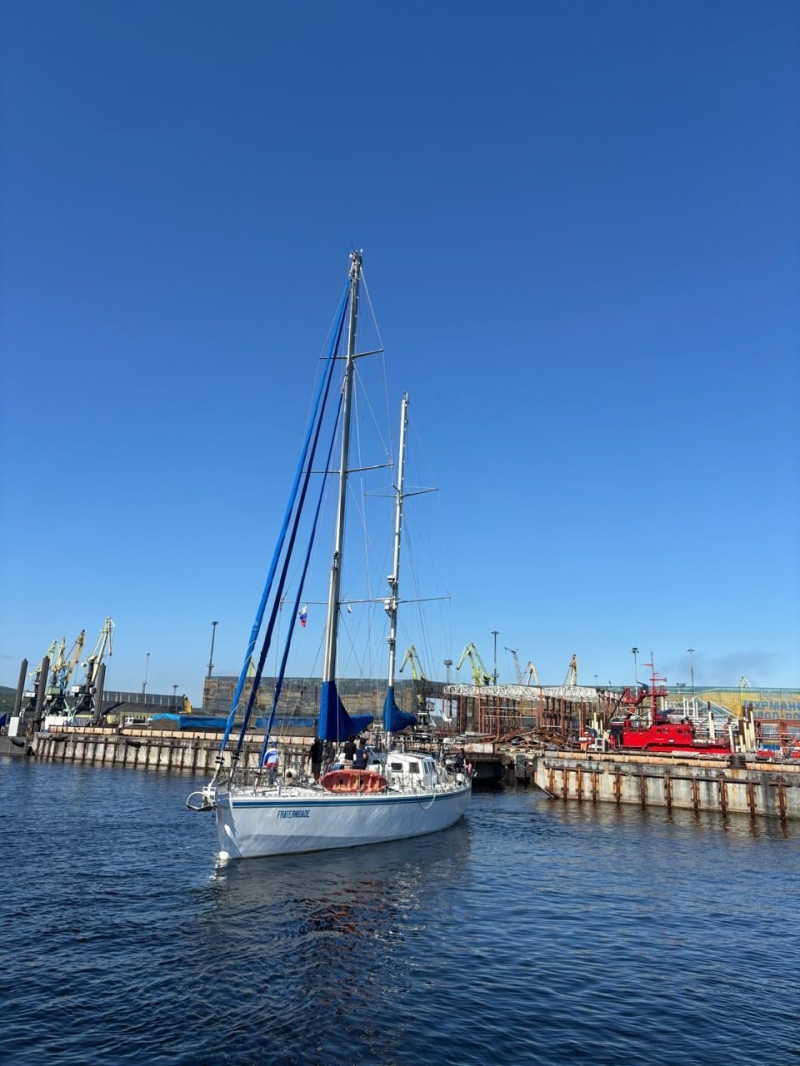
In April 2025, the Russian-Brazilian expedition "Fraternidade – 2025-2026" set sail from Salvador, Brazil, on the yacht "Fraternidade". It is organized under the auspices of BRICS and the Eurasian Media Group and is timed to coincide with the 180th anniversary of the Russian Geographical Society (RGS), the 200th anniversary of diplomatic relations between the countries, and the 80th anniversary of Victory in the Second World War. In three months, the crew crossed the Atlantic, passed Iceland and Svalbard, and arrived in Murmansk.
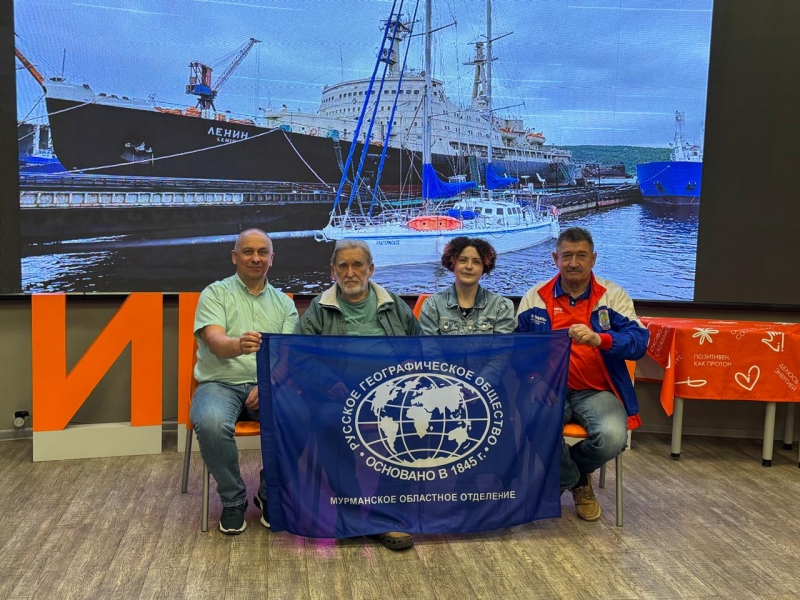
A press conference dedicated to the progress of the expedition was held via teleconference at the International Multimedia Center "Evrazia Segodnya." During it, the expedition participants shared their impressions of the project. Yachtsman Sergei Shcherbakov spoke about the difficult journey across the Atlantic:
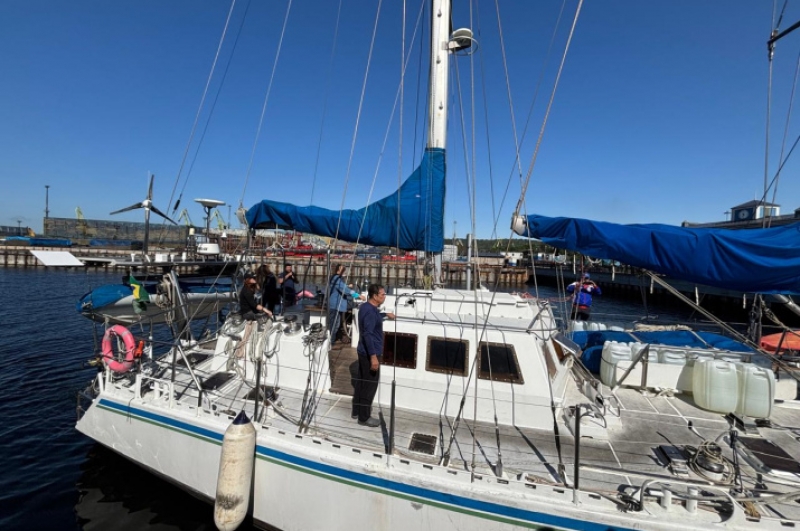
There were breakdowns. After leaving Brazil, we discovered a leak in the bilge, which we fixed. Then, during a storm, the wind tore the mainsail – the lower sail on the main mast, which we repaired in Murmansk. Equipment failed, including the autopilot, but despite the difficulties, the yacht safely reached Murmansk. Now we are stocking up on fuel and provisions for the passage along the Northern Sea Route...
Brazilian traveler Aleixo Belov admitted that in the Murmansk area, the yacht experienced problems with navigation equipment and electronics, but this did not prevent him from enjoying the journey:
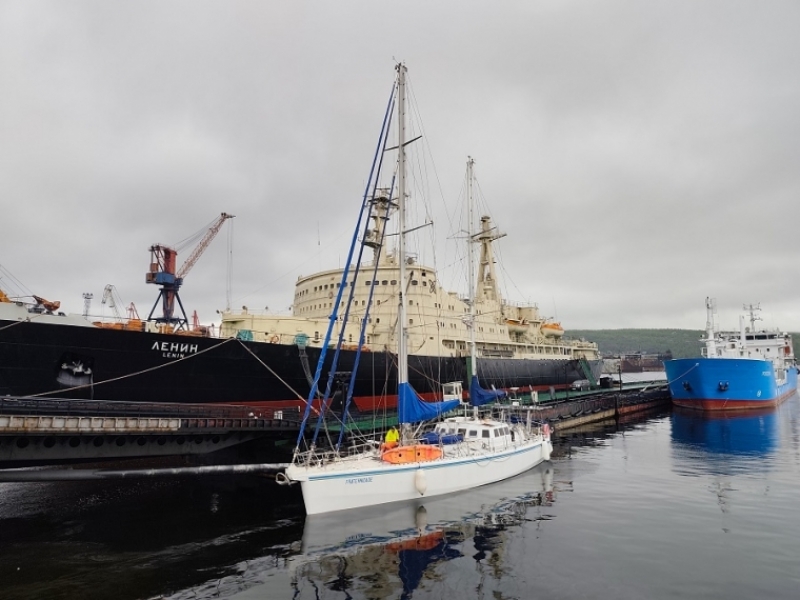
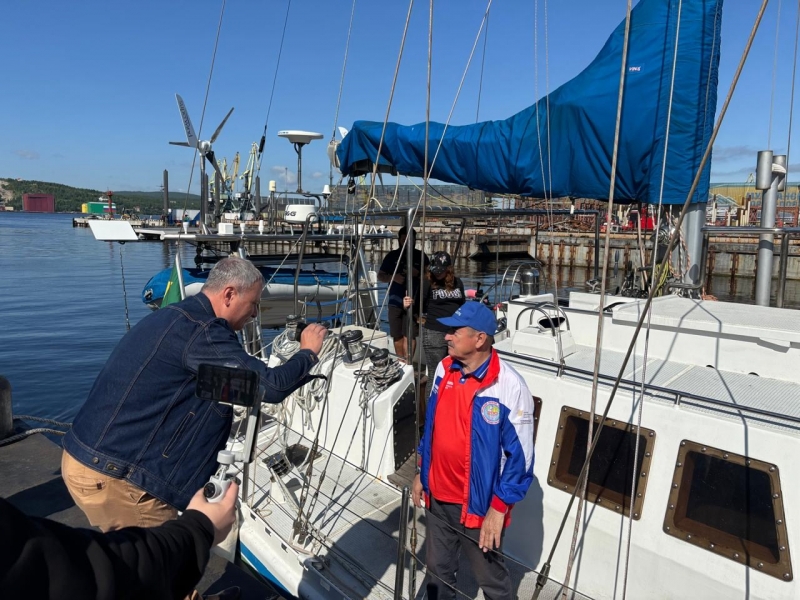
I am very happy to come here. They placed us not far from the icebreaker "Lenin" – this is the most beautiful and important place in the city. This makes it clear that people see the value of our trip and our plans. This is very important to me because I have never been in these seas before, despite all my round-the-world travels. Sergei Shcherbakov has been here, so now I am not teaching others how to sail, but I am learning myself. I hope our journey will be favorable.
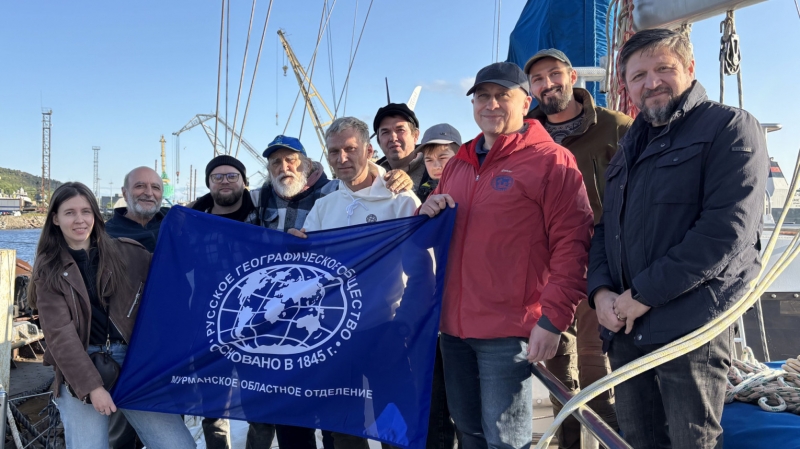
In Murmansk, the team also prepared for one of the most challenging stages of the expedition – navigating the Northern Sea Route. According to MMBI RAS Deputy Director for Science, MRB RGS Chairman Denis Moiseev (Cand. Sc. in Geography), the current ice situation in the Arctic Ocean is quite difficult:
First, it is important to exit the Kola Bay safely – navigation does not always work here now, for understandable reasons. We will have to rely not on the global positioning system but on traditional methods. Regarding the further route, the Kara Sea is mostly free of ice, but an important point is that the situation in the area of the Vilkitsky Strait is quite difficult now, with fast ice (stationary ice along the shores – note by "Evrazia Segodnya"). When the fast ice will disappear is still unknown. Most likely, they will have to wait there for the strait to 'open up.' The Laptev Sea is actively clearing of ice, but then comes the East Siberian Sea, which traditionally has the most difficult ice conditions. For now, it is almost completely covered with ice – this will be one of the most challenging sections of the expedition's route. In the Chukchi Sea, however, the situation is much more pleasant, and it is highly likely that by August-September it will be completely clear of ice. But I note that there have been years when a 'bridge,' a so-called 'plug,' remained, making passage impossible. I am not trying to scare, but all possible risks that the expedition participants may face must be taken into account.
On July 15, the yacht "Fraternidade" set sail from the port of Murmansk to conquer the Northern Sea Route. Fair winds and following seas!
Source: "Evrazia Segodnya" center and the RGS.
Photo: Evrazia Segodnya, Denis Moiseev, Anastasia Yagodina


